March 11, 2026 · Laws · Legal
An Everyday Guide to Identity Proofing Law
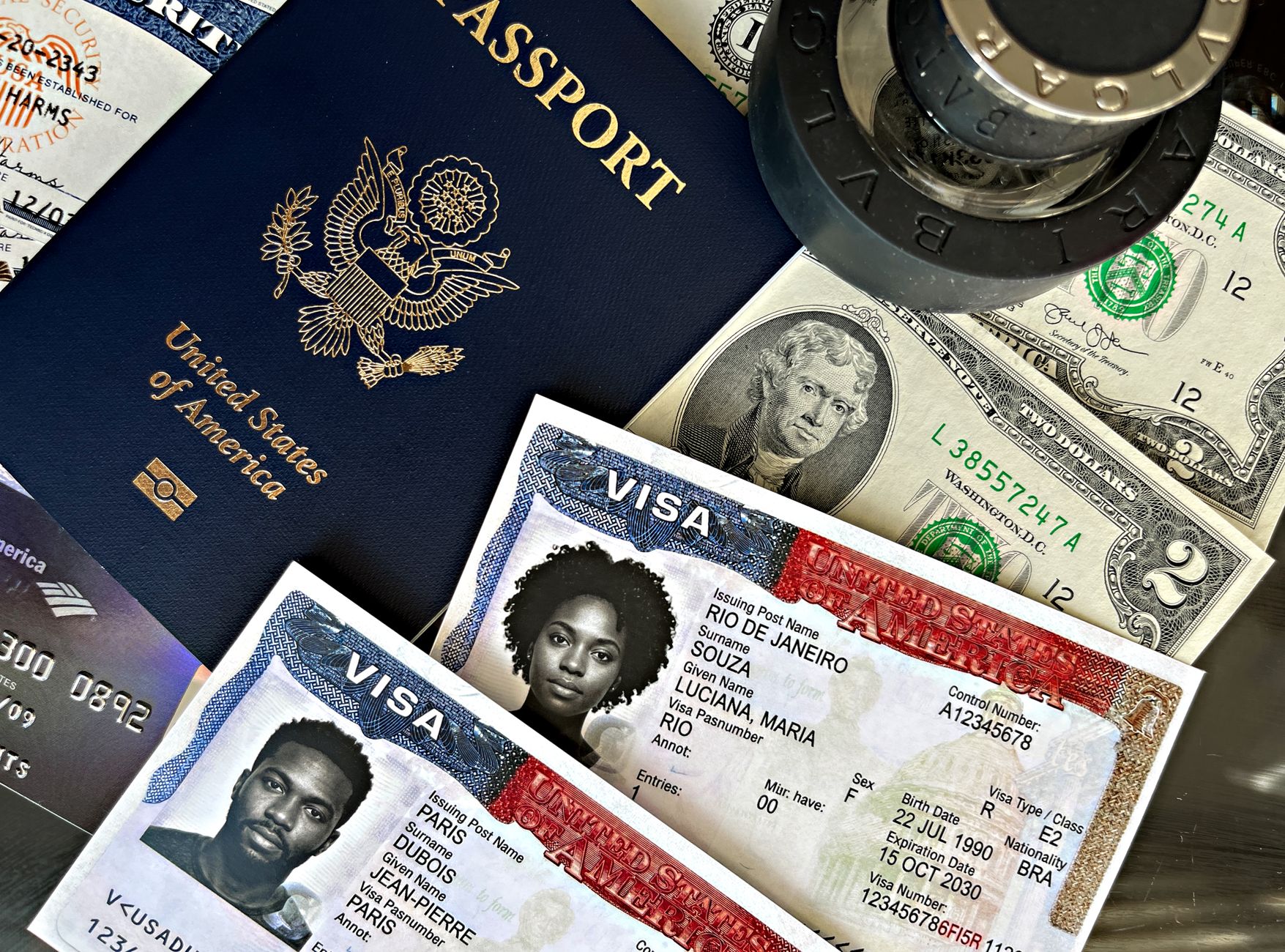
Every notarisation begins with the same question: are you who the document says you are? The law answers it with “satisfactory evidence” — and the details trip up more signings than any other issue.
What counts as ID?
A current government photo ID: driver’s licence, passport, state ID card or military ID. It must be unexpired (a few states allow a short grace period), intact, and recognisably you. Student IDs, gym cards and photocopies don’t qualify — no matter how official they look.
Remote verification, explained
Online signings use two layers: credential analysis (software checks your ID’s security features against the issuing database) and knowledge-based questions drawn from public records. You’ll need the physical ID, a steady camera, and a few minutes of patience.
When a signer falls short
Expired ID? Most states allow a credible witness — someone who knows you and shows their own valid ID — to vouch for you. No ID at all? We’ll tell you honestly and help you get an acceptable one rather than risk an invalid seal.
A notary who skips ID checks isn’t doing you a favour — they’re voiding your document. The seal is only as strong as the identification behind it.
Unsure whether your ID qualifies? Send us a message and we’ll confirm before you book.
Questions about your ID? Ask us first.
Contact Us